Autism Spectrum Disorder · former Asperger profiles

The best books about Autism and Asperger profiles

The expression “Asperger syndrome” remains widely used, although it is no longer a separate diagnosis in current classifications and is now included within Autism Spectrum Disorder (ASD). The books below use different terminology depending on when they were written, but they can still be extraordinarily useful for understanding autistic experience, strengths, masking, work, mental health and neurodiversity.

I am Luc MARTRENCHAR, a clinical psychologist. I have deliberately avoided ranking these books: the most useful one depends on what you are trying to understand about yourself or someone close to you.

Cover of The Complete Guide to Asperger's Syndrome
EssentialComprehensive reference

The Complete Guide to Asperger's Syndrome

Tony Attwood

Although the diagnostic terminology has changed since this book was written, Tony Attwood's guide remains one of the most comprehensive introductions to the profile historically called Asperger syndrome. It covers diagnosis, social understanding, emotions, special interests, language, cognitive abilities, sensory sensitivity, education, work and relationships.

What makes it especially valuable is Attwood's consistently humane perspective: difference is something to understand and support, not something that erases the person's abilities, personality or value.

I recommend it especially if…you want one substantial reference book that you can return to repeatedly as different questions arise.
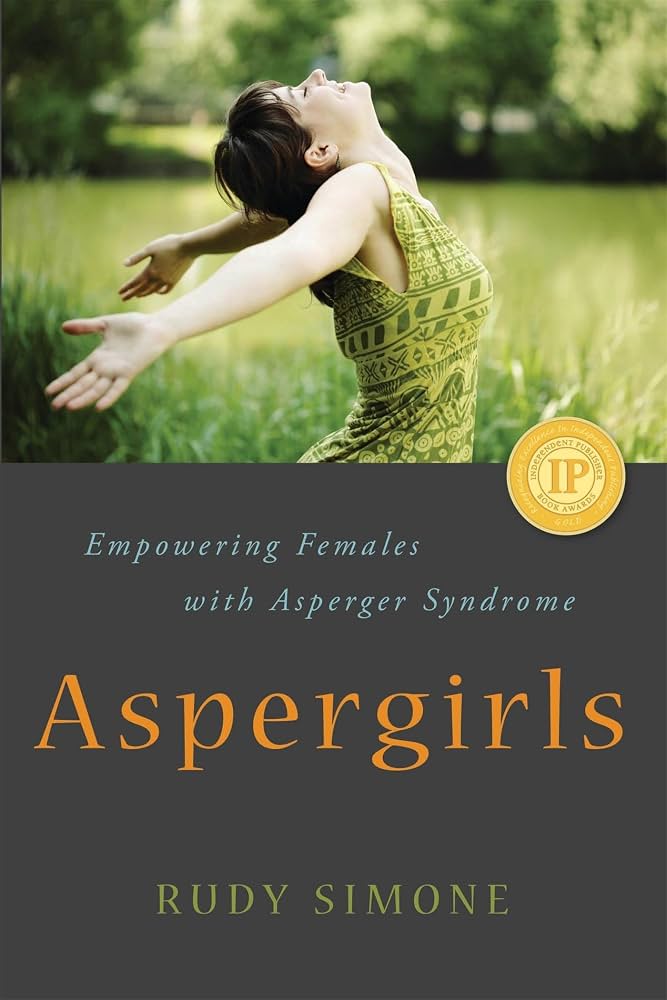
Cover of Aspergirls: Empowering Females with Asperger Syndrome
EssentialWomen · masking

Aspergirls: Empowering Females with Asperger Syndrome

Rudy Simone

This remains an important book for understanding why autistic girls and women have so often been missed. Rudy Simone writes from lived experience and explores masking, relationships, work, identity, isolation and the pressure to appear socially typical.

It is especially powerful for readers who reached adulthood before realizing that autism might explain a lifelong sense of difference.

I recommend it especially if…you are a woman exploring autism, or you want to understand how masking can make autistic traits much less visible from the outside.
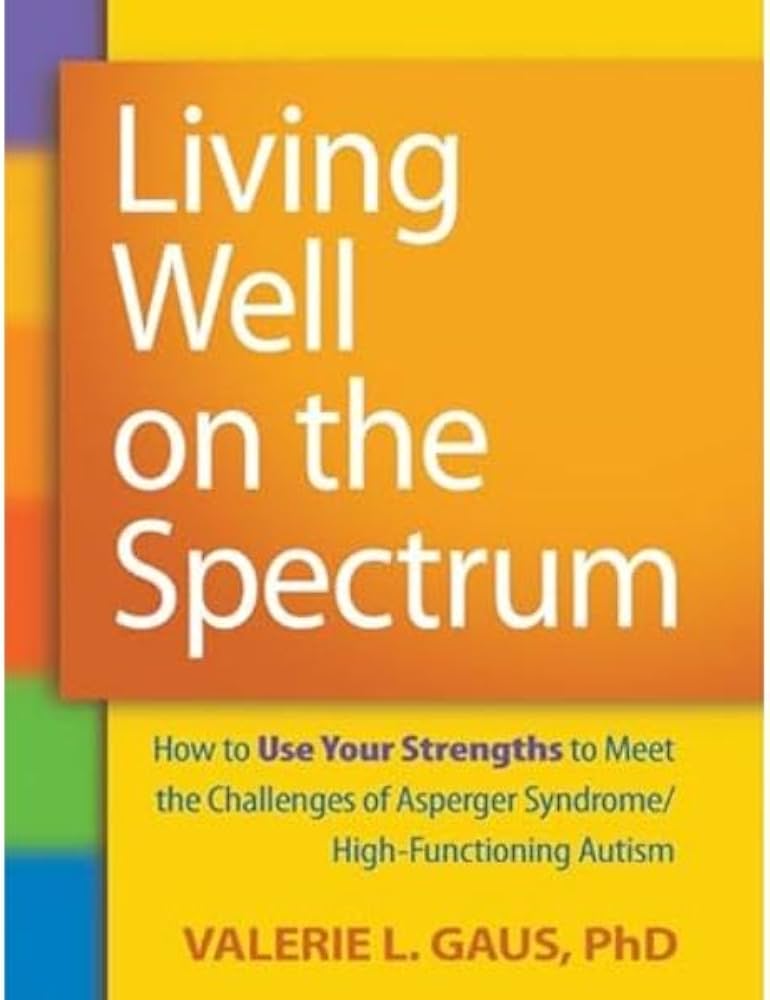
Cover of Living Well on the Spectrum
PracticalPsychologically grounded

Living Well on the Spectrum

Valerie L. Gaus, PhD

This is one of the books I would choose for someone who has moved beyond the question “Am I autistic?” and is now asking “How do I build a life that works better for the way my mind works?”

Clinical psychologist Valerie Gaus offers concrete strategies for social situations, communication, organization, anxiety, depression, relationships and independent living. The approach is practical without treating the autistic person as a problem to be fixed.

I recommend it especially if…you want usable strategies for everyday life rather than another general description of autism.
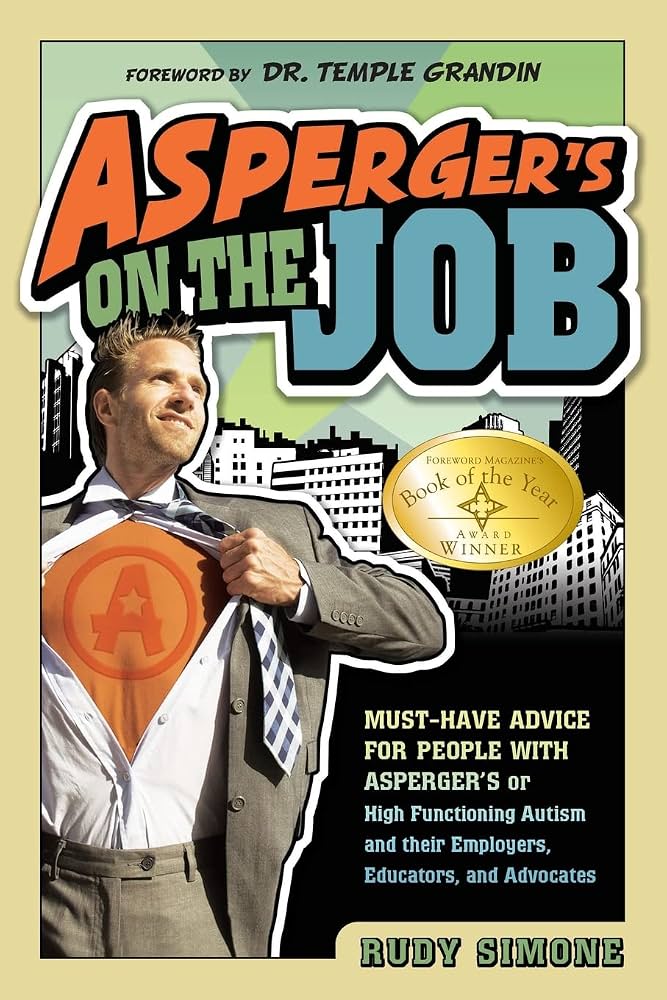
Cover of Asperger's on the Job
WorkStrengths & workplace fit

Asperger's on the Job

Rudy Simone · foreword by Temple Grandin

Work can expose exactly the kinds of unwritten rules, sensory demands and social expectations that are most exhausting for autistic adults. Rudy Simone addresses the employee, but also employers, educators and advocates.

The book is particularly useful for identifying the conditions in which autistic strengths can actually become professional strengths rather than being hidden by an unsuitable environment.

I recommend it especially if…your biggest current difficulties involve employment, colleagues, workplace culture, disclosure or finding a professional environment that fits you.
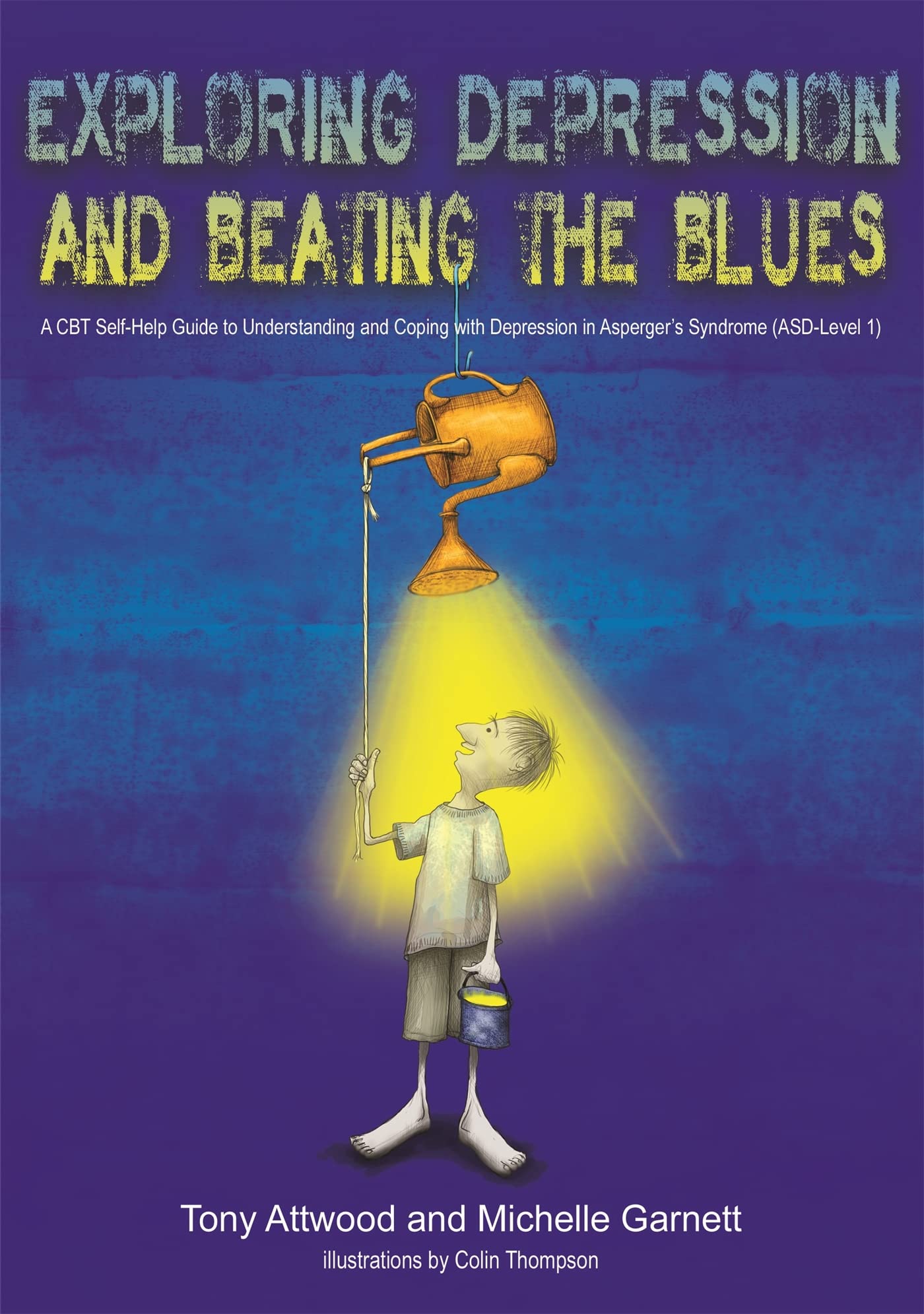
Cover of Exploring Depression, and Beating the Blues
DepressionCBT self-help

Exploring Depression, and Beating the Blues

Tony Attwood & Michelle Garnett

This book focuses specifically on depression in autistic people and combines explanation with a structured cognitive-behavioral self-help program. It is much more targeted than a general book about mood because it takes autistic experience into account from the beginning.

I recommend it especially if…low mood, depression or recurrent discouragement are currently more urgent than learning the basic features of autism.
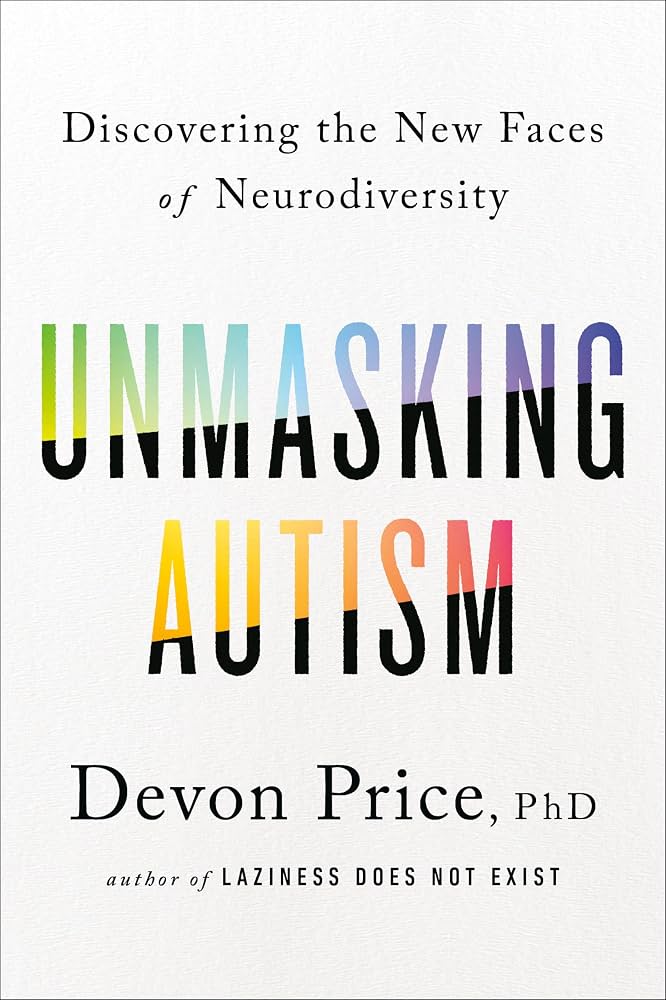
Cover of Unmasking Autism
MaskingNeurodiversity

Unmasking Autism

Devon Price, PhD

This is a much more contemporary perspective on autistic people whose traits have been hidden by years of adaptation and masking. Devon Price writes as an autistic social psychologist and focuses on late discovery, identity, self-acceptance and the cost of constantly trying to appear neurotypical.

I would not use it as a diagnostic manual. I would use it for what it does extremely well: helping a reader think about the difference between adapting to the world and losing themselves in the process.

I recommend it especially if…you were identified late, mask heavily, or are trying to understand who you are underneath years of social adaptation.
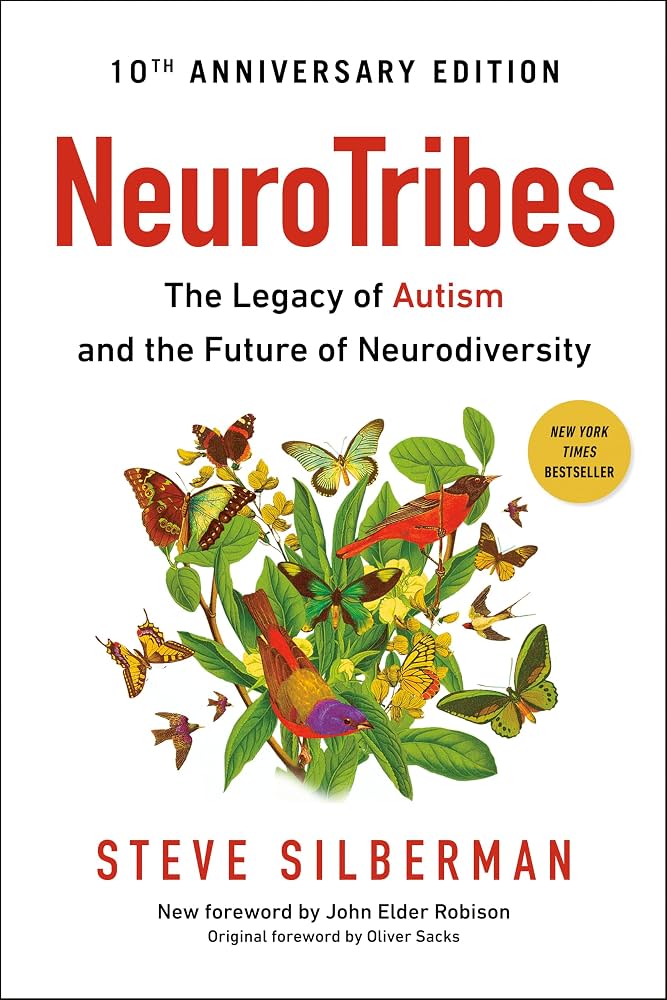
Cover of NeuroTribes: The Legacy of Autism and the Future of Neurodiversity
HistoryNeurodiversity

NeuroTribes: The Legacy of Autism and the Future of Neurodiversity

Steve Silberman

NeuroTribes is not a practical self-help guide. It is here because it can radically change the framework through which a reader understands autism: its history, the people who shaped the diagnosis, autistic communities and the emergence of the neurodiversity perspective.

It is the book I would choose for someone who wants to understand not only an individual autistic profile, but why society has understood autism the way it has.

I recommend it especially if…you enjoy substantial nonfiction and want the broad historical and cultural picture behind today's understanding of autism.

Are you mainly trying to find out whether you are autistic?

Recognizing yourself in a book can be powerful, but it cannot establish an ASD diagnosis. If that is your main question, personalized screening can be a useful first step.