Intuitive thinking
Explore rapid understanding that sometimes precedes conscious analysis.
Explore →Giftedness · Network thinking
One idea sparks several others, which themselves open new branches: branching thought is described here as abundant, associative and fast thinking that can explore several directions in parallel.
Video in French. The article below is available in English.
Branching thought can have two sides: creativity, multiple associations and finding solutions on the one hand; distraction, difficulty organising ideas, insomnia or anxiety when mental activity becomes hard to slow down on the other.
A branching way of thinking is abundant thinking. It results from the multitude of neural connections in brain. Thinking sometimes unfolds in several directions, sometimes simultaneously, with each idea branching into subsidiary ideas through associations or analogies. It is network thinking: each idea generates a set of other ideas, which in turn generate further ideas, and so on.
Yes, branching thought works in the same way as mind mapping. In a mind map, a general idea is placed at the centre. Branches of related subsidiary ideas are then drawn around it. Below is an example of a mind map about a psychological assessment:
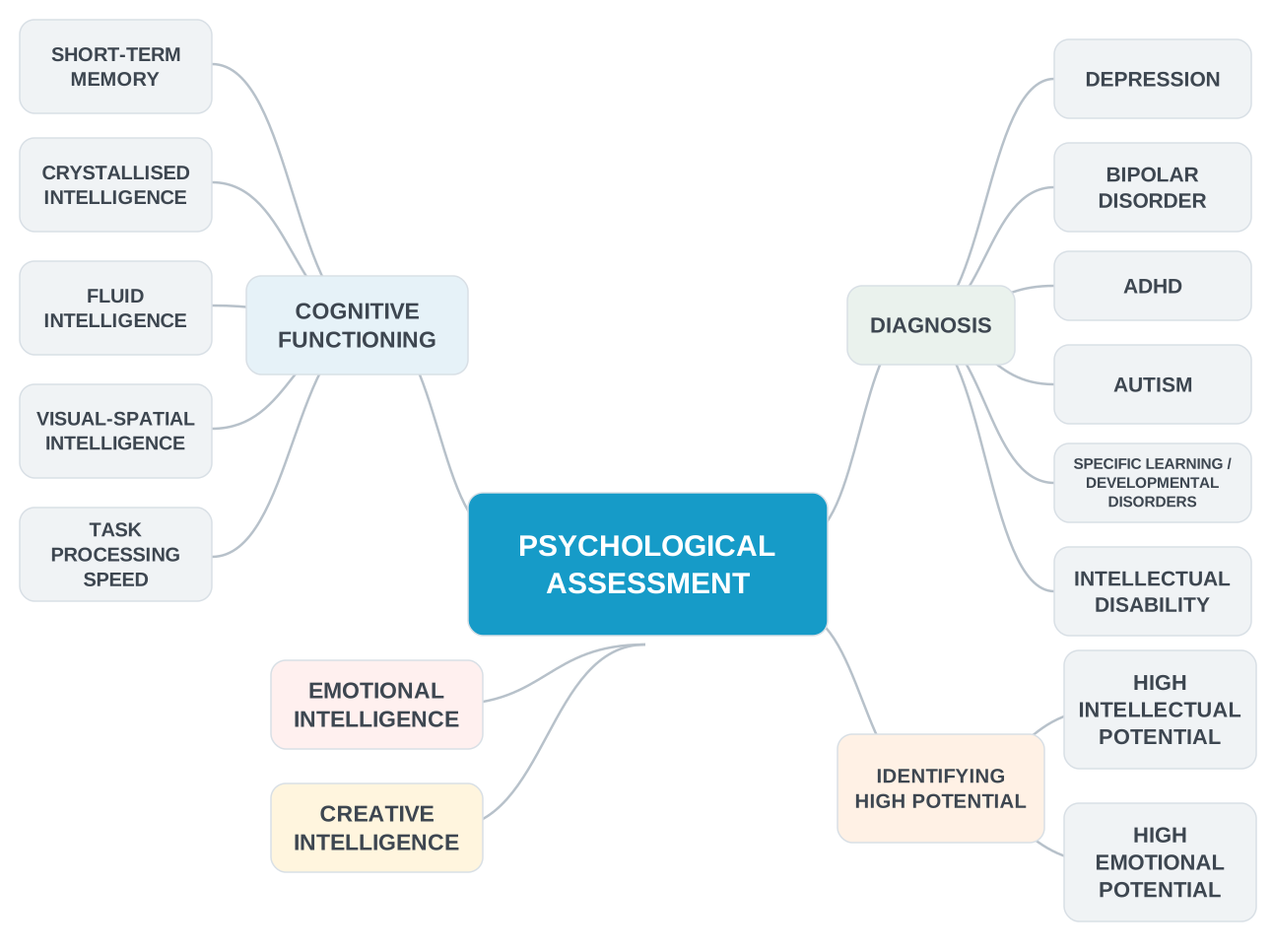
Branching thought is therefore considerable, rapid mental activity that may consider every possible outcome of a situation, every subsidiary idea connected to an idea, or every possible solution to a problem.
Branching thought is a form of thinking commonly found in people with High Potential (HIP and HEP). Gifted people can often activate several branches of their thinking simultaneously: their thoughts develop in several directions at once. In this respect, network thinking differs from the norm: it is neurodivergent.
Multiple connections often make it possible to generate highly creative, innovative ideas. The multitude of associative links can lead to discoveries, inventions and new theories.
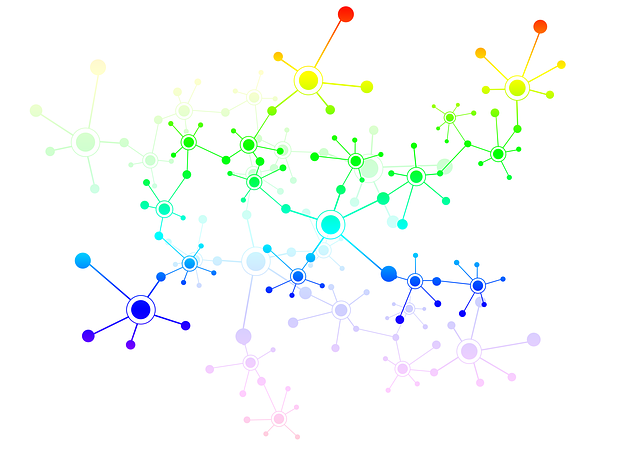
Branching thought is not particularly effective in a school setting. Here are three ways in which network thinking can be ineffective:
By contrast, linear thinking makes it possible to focus on one idea at a time without being distracted by other ideas.
Gifted people often describe difficulty slowing this mental activity. Here are some difficulties connected with network thinking:
Because one idea can generate several subsidiary ideas and associations, like the successive branches of a tree or mind map.
No. It can encourage creativity, but can also involve difficulty paying attention or organising ideas, and sometimes mental activity that is hard to interrupt.
If this way of thinking comes with cognitive speed, curiosity, intuition, heightened sensitivity or feeling out of step, screening can help you place this trait within your overall functioning.

Explore the possibility of High Emotional Potential!

Are you a “zebra”?

Are you highly sensitive?