1
The false self protects
It allows you to adapt to others, respect conventions and preserve some privacy. The aim is therefore not to eradicate it.
Giftedness · Identity · Adaptation
When adaptation protects… then sometimes begins to stifle
The false self is a protective façade: the part of you that adapts to social codes, expectations and conventions. This adaptation is useful. It becomes problematic when it occupies so much space that the authentic self has almost no room to exist.

It allows you to adapt to others, respect conventions and preserve some privacy. The aim is therefore not to eradicate it.
It is your spontaneous self, which can appear as it is when trust and safety within relationships are sufficient.
When all your energy goes into appearing to conform, hiding your difference or becoming a “chameleon”, you can eventually lose touch with what you really want.
The true self is our authentic, spontaneous self. Being in touch with the true self means having enough confidence to show yourself as you are, authentically, without adapting to others.
In people with High Potential, the true self can be stifled by the false self and completely hidden from others. This is because gifted adults and intellectually gifted children are so distinctive, different from others that they can more or less consciously reject who they are deep down: their true self. By rejecting what makes them distinctive, they often reject all the richness of their giftedness.
Gifted people should not try to eradicate their false self, since it offers necessary protection. Rather, whenever possible, they should adapt their environment to themselves instead of adapting to it, or at least avoid adapting excessively. This involves surrounding themselves with caring, empathic people who will accept and value their true self. Finally, it means being able to free the true self, at least occasionally, to be fully themselves.
This does not mean eliminating all social adaptation. It means being able to choose when to adapt, finding people with whom the true self can exist and reducing contexts that require constant masking.
No. It serves a protective and adaptive function. Difficulties mainly arise when it becomes so dominant that a person can scarcely be spontaneous.
Feeling different and tending to adapt extensively to others to fit in can encourage the development of a strong false self.
By choosing environments and relationships where you can perform less, reducing excessive adaptation and valuing your own characteristics more.
Understanding your emotional functioning and giftedness can help distinguish useful adaptation from what takes you away from yourself.
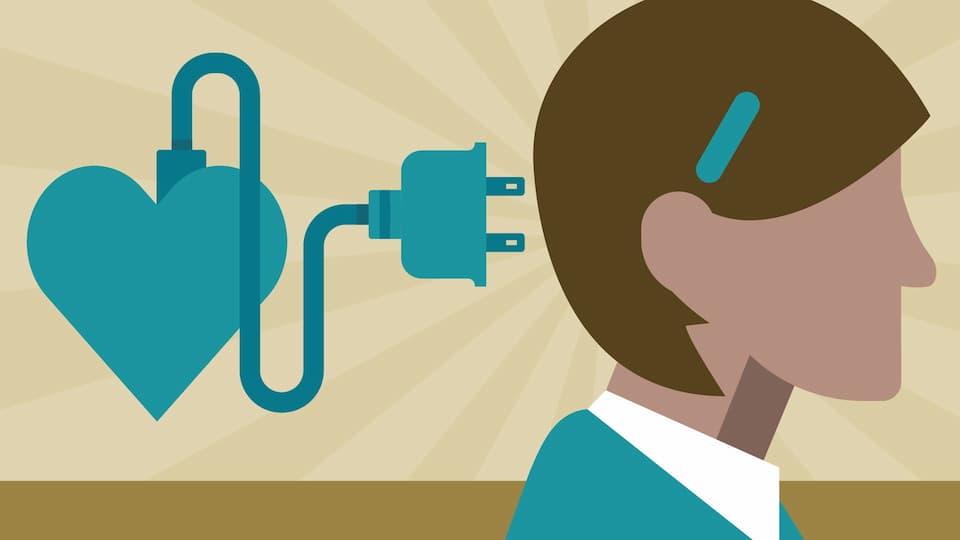
Explore the possibility of High Emotional Potential!
20 characteristics of gifted adults!

Are you highly sensitive?