High Intellectual Potential · personal selection

The best books for gifted adults and High Intellectual Potential

I am Luc MARTRENCHAR, a psychologist specializing in the assessment of giftedness and High Intellectual Potential. These are the books I would recommend first depending on what you need: recognizing yourself, understanding giftedness more rigorously, managing intensity, avoiding diagnostic confusion, or turning high ability into something genuinely useful in everyday life.

The Gifted Adult book cover
#5Classic starting point

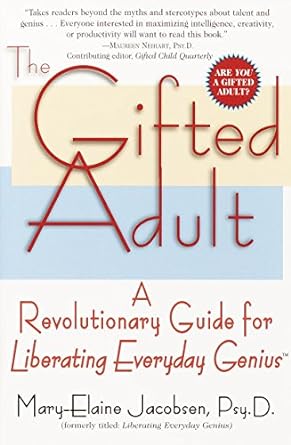
The Gifted Adult: A Revolutionary Guide for Liberating Everyday Genius

Mary-Elaine Jacobsen

A classic book for adults who discovered giftedness late in life. It is particularly good at describing the experience of feeling different and at helping readers connect high ability with patterns such as intensity, underachievement and self-doubt. Some of its theoretical references are now dated, so I see it as an excellent experiential starting point rather than the most up-to-date scientific overview.

Its strength is that it turns giftedness into a question of how to live, not simply how to score on a test.

I recommend it especially if…you are new to the subject and want an accessible book that helps you connect giftedness with everyday choices and patterns.
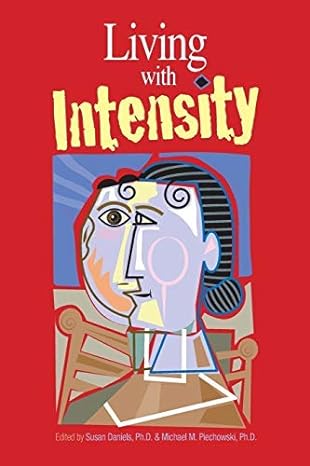
Living With Intensity book cover
#4Intensity & sensitivity

Living With Intensity

Susan Daniels

Gifted adults are often described as intense, highly sensitive, energetic or deeply passionate. This book is useful because it takes that intensity seriously rather than treating it simply as a problem to suppress.

It offers a framework for understanding overexcitabilities and for thinking about how intensity can be managed more constructively.

I recommend it especially if…your main difficulty is not intellectual ability itself, but the feeling that your emotions, interests or internal life are unusually intense.
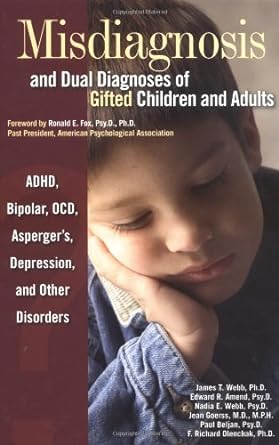
Misdiagnosis and Dual Diagnoses of Gifted Children and Adults book cover
#3Diagnostic questions

Misdiagnosis and Dual Diagnoses of Gifted Children and Adults

James T. Webb

This book addresses one of the most clinically important questions around giftedness: when are unusual behaviors related to giftedness, when do they reflect another condition, and when are both present?

It examines possible confusion with ADHD, bipolar disorder, obsessive-compulsive difficulties, depression and Autism Spectrum Disorder. The subject is especially useful for anyone who has received several different explanations for the same difficulties.

I recommend it especially if…you are trying to understand the relationship between giftedness and ADHD, ASD, mood or anxiety-related diagnoses.
#2Best for self-understanding

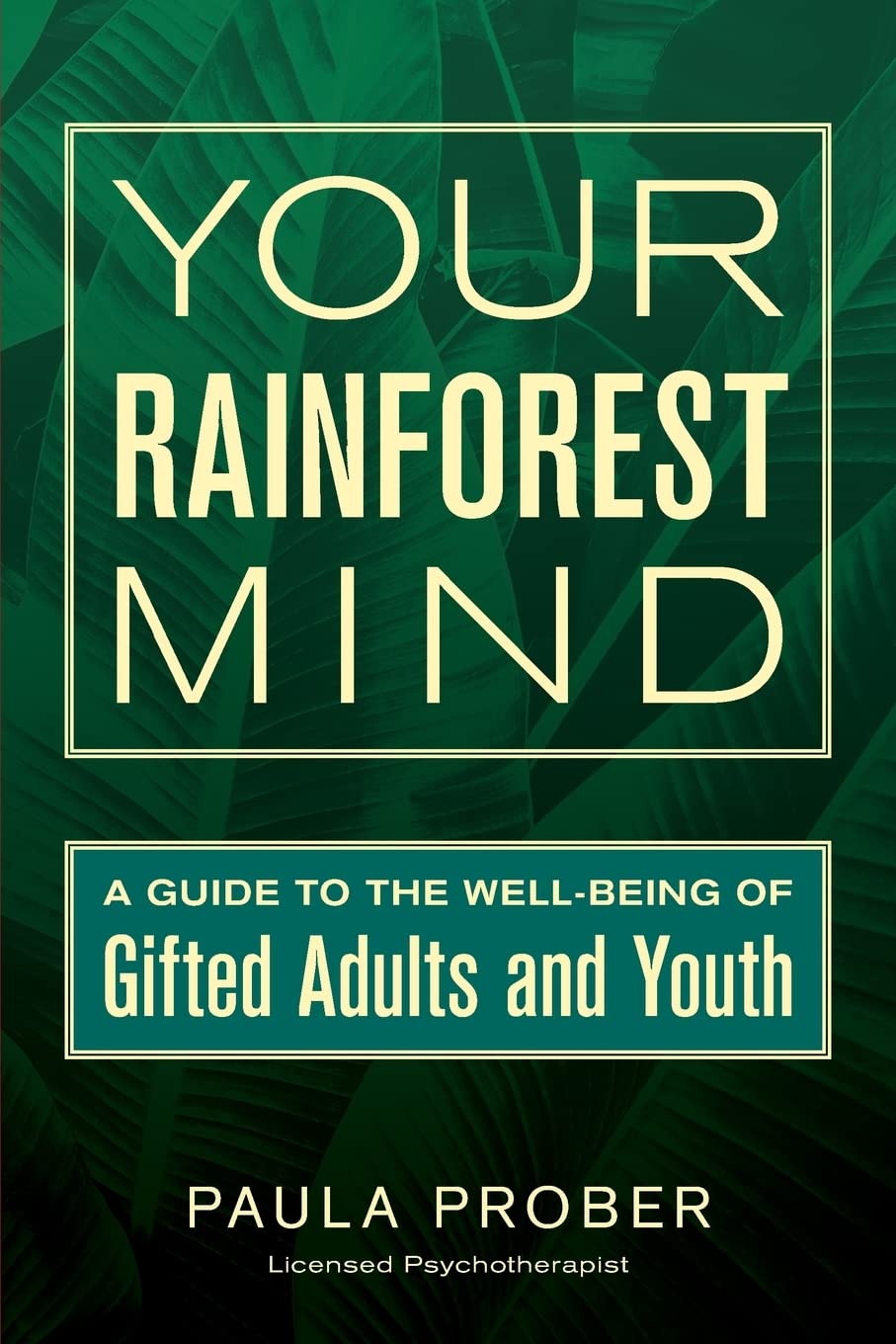
Your Rainforest Mind: A Guide to the Well-Being of Gifted Adults and Youth

Paula Prober

Paula Prober is a psychotherapist who has worked extensively with gifted adults. Rather than offering a dry overview of giftedness, she builds the book around real clinical stories and the experience of people who are curious, intense, sensitive, creative and often misunderstood.

This is one of the best books on the list for the moment when a gifted adult wants to feel understood rather than merely classified. It combines recognition with concrete ways of thinking about relationships, perfectionism, sensitivity, career choices and self-acceptance.

I recommend it especially if…you have spent years feeling “too much,” too intense or unusually complex and want a book that connects giftedness with your actual emotional and relational life.
Giftedness in Practice book cover
#1 · My pickMost practical

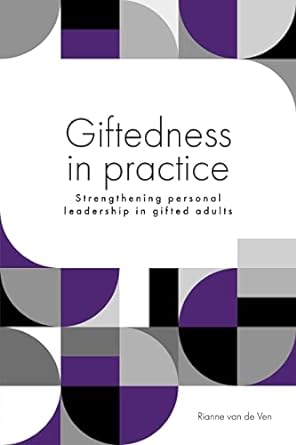
Giftedness in Practice: Strengthening Personal Leadership in Gifted Adults

Rianne van de Ven

For me, identifying High Intellectual Potential is most useful when it becomes the beginning of something rather than the end of an explanation. This book is particularly strong on that next step: how to use high ability more effectively in real life.

It focuses on personal leadership, development and the practical challenge of turning potential into choices, achievement and a more satisfying way of living.

I recommend it especially if…you already understand that you are gifted and are now asking: “What do I actually do with this?”

Are you mainly trying to find out whether you have HIP?

Strong recognition in a book can be meaningful, but it cannot determine whether someone has High Intellectual Potential. If that is your main question, the HIP screening test can be a useful first step.