3 books to help you support your autistic child or teen
Understand their way of thinking, support everyday life and nurture trust: three complementary reads for parents of autistic children and teenagers without intellectual disability.
Selected by Luc MARTRENCHAR, psychologist, to help you find the book that best matches your questions.
Childhood & adolescenceAutism without intellectual disabilityIncluding Asperger profiles
This ranking prioritises usefulness for parents, relevance to this profile and complementary perspectives. It is not a sales ranking. Some titles retain older terms such as “Asperger’s” or “high-functioning”.
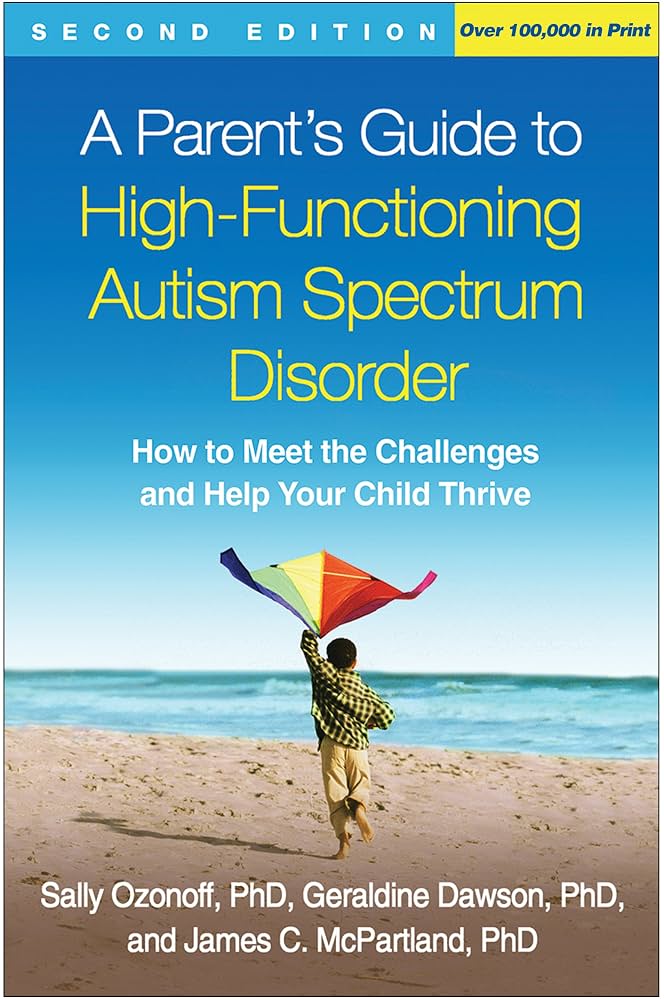
Sally Ozonoff, Geraldine Dawson & James C. McPartland
2014 · Second edition · Guilford Press
A parent-focused guide that connects an understanding of autism with everyday support at home, at school and with friends. Its examples help parents consider both their child’s difficulties and their strengths.
What about parents of teenagers?
The book explicitly covers children and adolescents, including social relationships, school support and the transition towards adulthood.
Worth knowing: The title uses older terminology. A revised third edition, A Parent’s Guide to Autism, is announced for January 2027; this recommendation refers to the published second edition.
Choose this if… You want a broad, practical guide written specifically for parents.
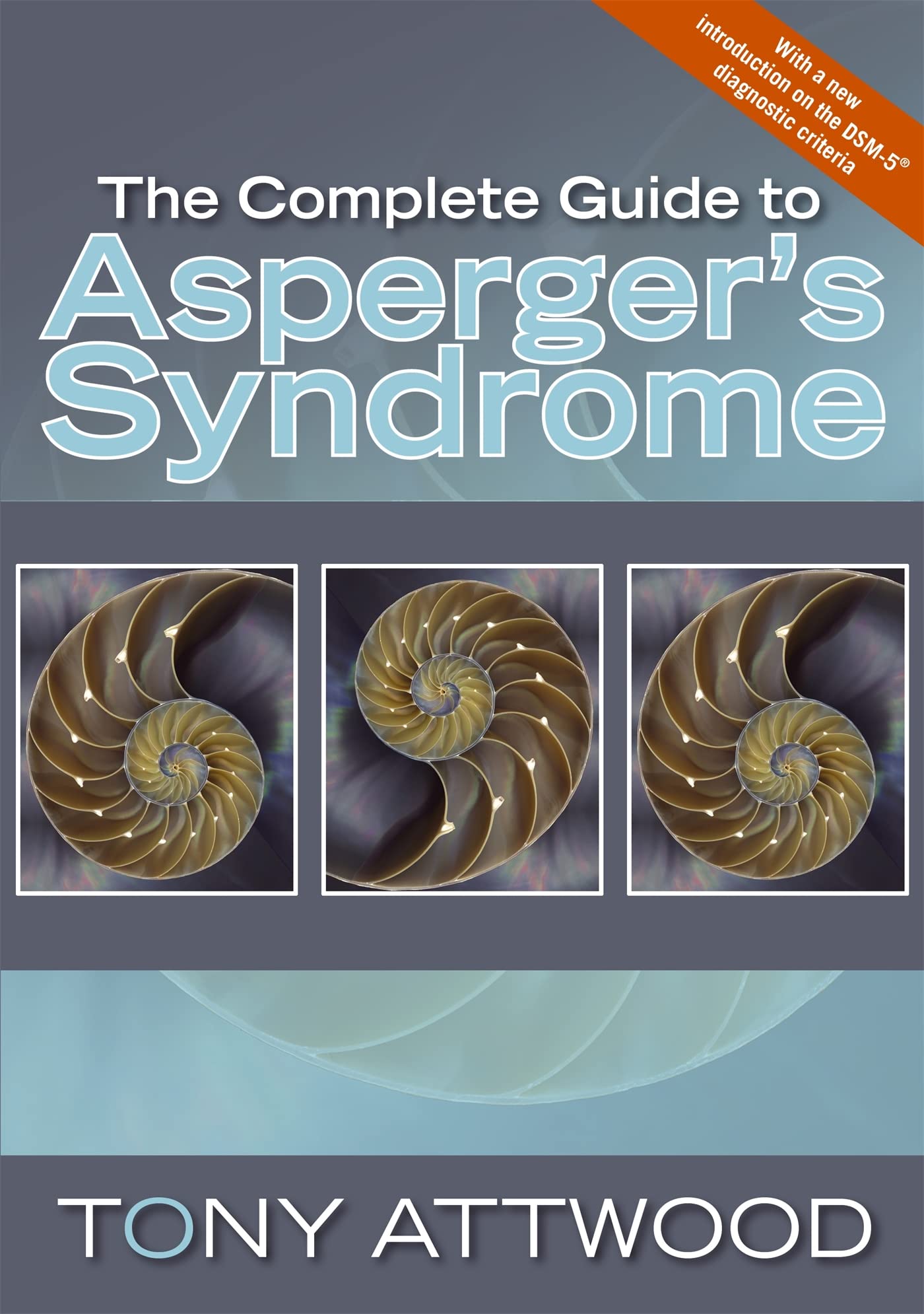
A detailed reference covering emotions, friendships, communication, sensory differences, bullying and the transition to adult life. It can be read selectively as new questions arise.
What about parents of teenagers?
Its discussion of friendships, bullying and emotional experiences is especially relevant during the teenage years. Later chapters help families think ahead to adult relationships and employment.
Worth knowing: A substantial book with an older terminology and research base. Best used as a reference rather than a quick introduction.
Choose this if… You want a deeper understanding and a book you can revisit over several years.
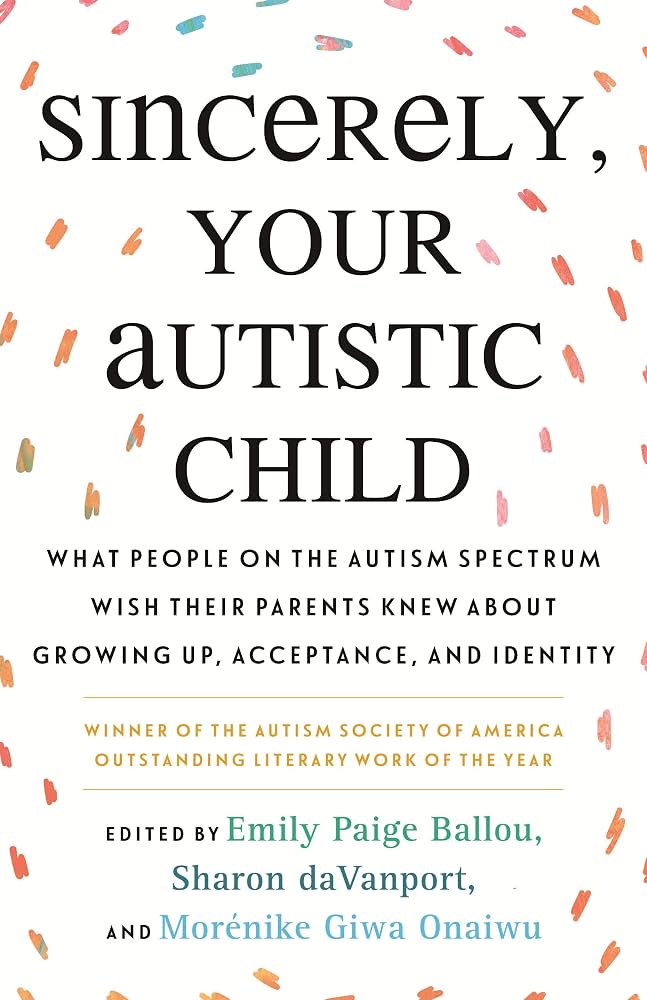
Autistic contributors reflect on what they wish their parents had understood about growing up. Their accounts explore acceptance, emotional needs, education and identity, adding a valuable perspective alongside clinical guides.
What about parents of teenagers?
Particularly helpful for thinking about identity, belonging and the relationship between parents and young people as children become teenagers and young adults.
Worth knowing: A collection of personal perspectives, rather than a step-by-step parenting manual. It is not limited to autism without intellectual disability.
Choose this if… You want to listen more closely to autistic perspectives and reflect on how your child experiences your support.
These books complement support tailored to your child’s needs. Autism without intellectual disability does not mean an absence of difficulties or support needs.
Explore related reading
Would you like to understand your child’s profile better?
A psychological assessment can help clarify their profile, strengths and support needs.