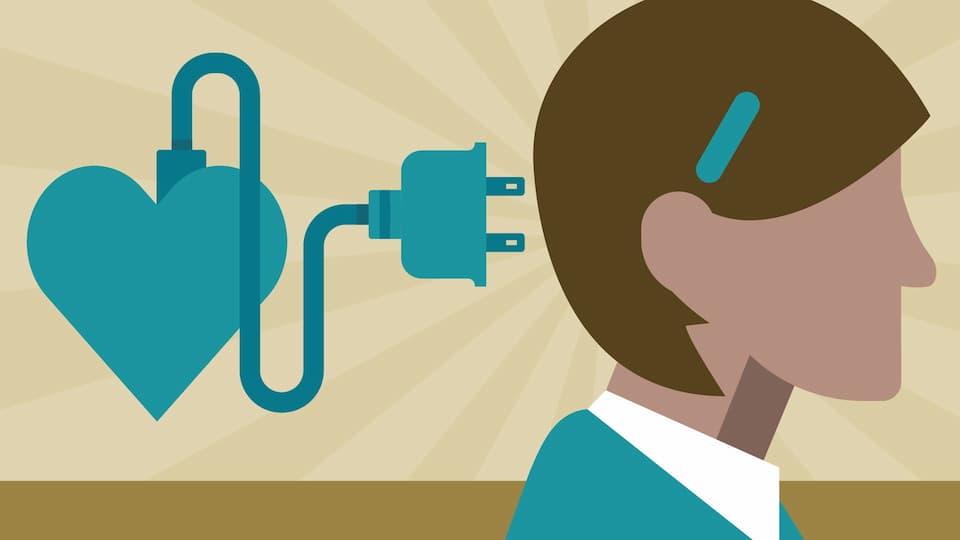
One or more social situations involving possible scrutiny by others cause marked fear or anxiety.
DSM-5-TR · anxiety disorder
Could I have social anxiety disorder?
Social anxiety disorder is marked fear or anxiety in one or more social situations in which the person may be observed or judged by others. Diagnosis is not based on one isolated impression: DSM-5-TR requires a specific pattern of symptoms, sufficient duration and clinically significant distress or impairment.

≥ 6 months
DSM-5-TR
What are the DSM-5-TR criteria?
The points below summarise the diagnostic requirements that define the disorder.
Diagnostic criteria — paraphrased
The person fears acting in a way or showing symptoms that could lead to negative evaluation, humiliation, rejection or offending others.
The feared social situations almost always provoke fear or anxiety.
They are avoided or endured with intense fear or anxiety.
The fear is out of proportion to the actual threat and sociocultural context.
The pattern typically persists for at least six months.
Fear, anxiety or avoidance causes significant distress or functional impairment.
The presentation is not due to a substance, medication or medical condition and is not better explained by another mental disorder.
Diagnostic reference: DSM-5-TR (American Psychiatric Association, 2022). Wording intentionally paraphrased and concise.
In children
In children, anxiety must also occur in peer settings, not only with adults. It may be expressed through crying, tantrums, freezing, clinging or failing to speak in the feared situation.
DSM-5-TR also includes a “performance only” specifier when fear is restricted to speaking or performing in public.
Differential diagnosis
Social anxiety, avoidant personality disorder, agoraphobia or ASD?
In social anxiety disorder, the central fear is negative evaluation. Avoidant personality disorder involves a more pervasive and enduring pattern of inhibition and inadequacy. Agoraphobia centres on difficulty escaping or obtaining help. Autism Spectrum Disorder reflects a different developmental profile and can coexist with social anxiety.
Clinical assessment
How is the diagnosis made?
Diagnosis is based on clinical interviewing, the history of symptoms, their frequency and duration, the situations that trigger them, and their functional impact. It is also important to determine whether another mental disorder, a substance, medication or medical condition better explains the presentation. Standardised questionnaires can support the assessment.
Anxiety disorders
Explore the other anxiety disorders
Anxiety symptoms can look similar across disorders. A central question is often what triggers the fear and what the person is actually afraid will happen.
Are you trying to understand the nature of your anxiety?
An emotional and personality assessment can help clarify the type and intensity of anxiety, conditions that may look similar, and the most appropriate next steps.