Children with Asperger’s (ASD): 20 signs to understand
Understanding a child’s differences beyond first impressions.
This page focuses on children and adolescents with Asperger’s syndrome: autism spectrum disorder without intellectual impairment and without language impairment, generally with level 1 support needs. A child may speak fluently and reason well while experiencing social, sensory or adaptation difficulties.
Level 1 means “requiring support”: of the three levels, it is the one requiring the least support. It is not automatically determined by intelligence or language: needs are assessed individually and may change over time. The absence of language impairment does not rule out differences in the social use of language, understanding implied meanings or intonation.
How to read this list
These 20 signs are pointers, not a diagnostic test. They are neither all present nor all specific to autism. There is no validated threshold of “10 out of 20 signs”. What matters is their combination, developmental history and impact across different settings.
The video on this page
The original French-language video has been retained; the wording of the text below has been refined.
Interests and differences
01
Very intense interests in one or two subjects
A child may devote a great deal of time to a specific subject: dinosaurs, transport timetables, flags, plants or a fictional world. What stands out is primarily the intensity of the interest, the space it takes up in daily life and the difficulty of moving on to something else.
02
An impressive memory for favourite subjects
Some children remember information they find fascinating in remarkable detail: film dialogue, historical dates, categories of objects or the order of stations on a railway line. This memory may be highly specialised; it does not imply an exceptional memory in every area.
03
An unusual voice or intonation
Even with a rich vocabulary and well-formed sentences, a child’s voice may sound flat, very formal, particularly loud or quiet. Adjusting intonation or volume to the situation can be difficult. These features do not, in themselves, constitute an accompanying language impairment.
04
A strong reaction to changes in routine
A change of route, seating position at the table or order of activities can lead to irritability, anxiety or an intense reaction. Familiar routines provide a sense of predictability. Understanding this need helps adults prepare transitions rather than automatically interpreting the reaction as wilful misbehaviour.
05
Distress when something unexpected happens
Beyond familiar routines, an unannounced event can be hard to manage: a cancelled outing, a substitute teacher or a surprise visitor. A child may need to know beforehand what will happen, how long it will last and what is planned next.
Communication and emotions
06
Difficulties with motor coordination
Tying shoelaces, cutting with scissors, writing, catching a ball or learning to ride a bicycle can require more effort. A child may bump into things or drop objects. Coordination difficulties are sometimes associated with ASD, but are not a required feature and may have other explanations.
07
Less spontaneous gestures and facial expressions
Hand gestures, facial expressions or body movements may be less varied, more subtle or less coordinated with speech. A child may also use them in a learned, deliberate way. These are differences in nonverbal communication, rather than necessarily an absence of communication.
08
Difficulty interpreting body language
A raised eyebrow, a gesture inviting someone closer or a facial expression showing annoyance can be difficult to interpret. A child may understand an explicit message more readily than what others expect them to infer from posture or facial expressions.
09
Difficulty regulating emotions
When overwhelmed, a child may cry, become angry, act impulsively or withdraw. Aggressive reactions, sometimes directed towards themselves, can also occur, but do not characterise all children with an Asperger’s profile. It is helpful to explore the overload, fatigue, anxiety or misunderstanding preceding these reactions.
10
Difficulty identifying some emotions
A child may struggle to name what they feel or understand another person’s emotion, particularly when it is not clearly expressed. This can lead to misunderstandings. It does not imply a lack of empathy or affection: a child may care deeply while finding the situation difficult to interpret.
Relationships and sensations
11
Less spontaneous social interaction
Starting a conversation, joining a group or responding at the right moment may require conscious effort. Some children prefer being alone; others want to join in but do not know how. Social difficulties therefore do not necessarily mean a lack of interest in other people.
12
Difficulty making or maintaining friendships
A child may have few close friends or find the unspoken expectations of friendship difficult to understand. They may get on more easily with children who share their interests, younger children or adults. Strong friendships are still possible: having them does not rule out ASD.
13
Conversations focused on favourite subjects
A child may talk at length about what fascinates them without noticing that the other person wants to contribute or change the subject. The difficulty mainly involves conversational turn-taking and adjustment. A child can learn to ask questions and make more room for the other person.
14
Heightened sensitivity to certain sensations
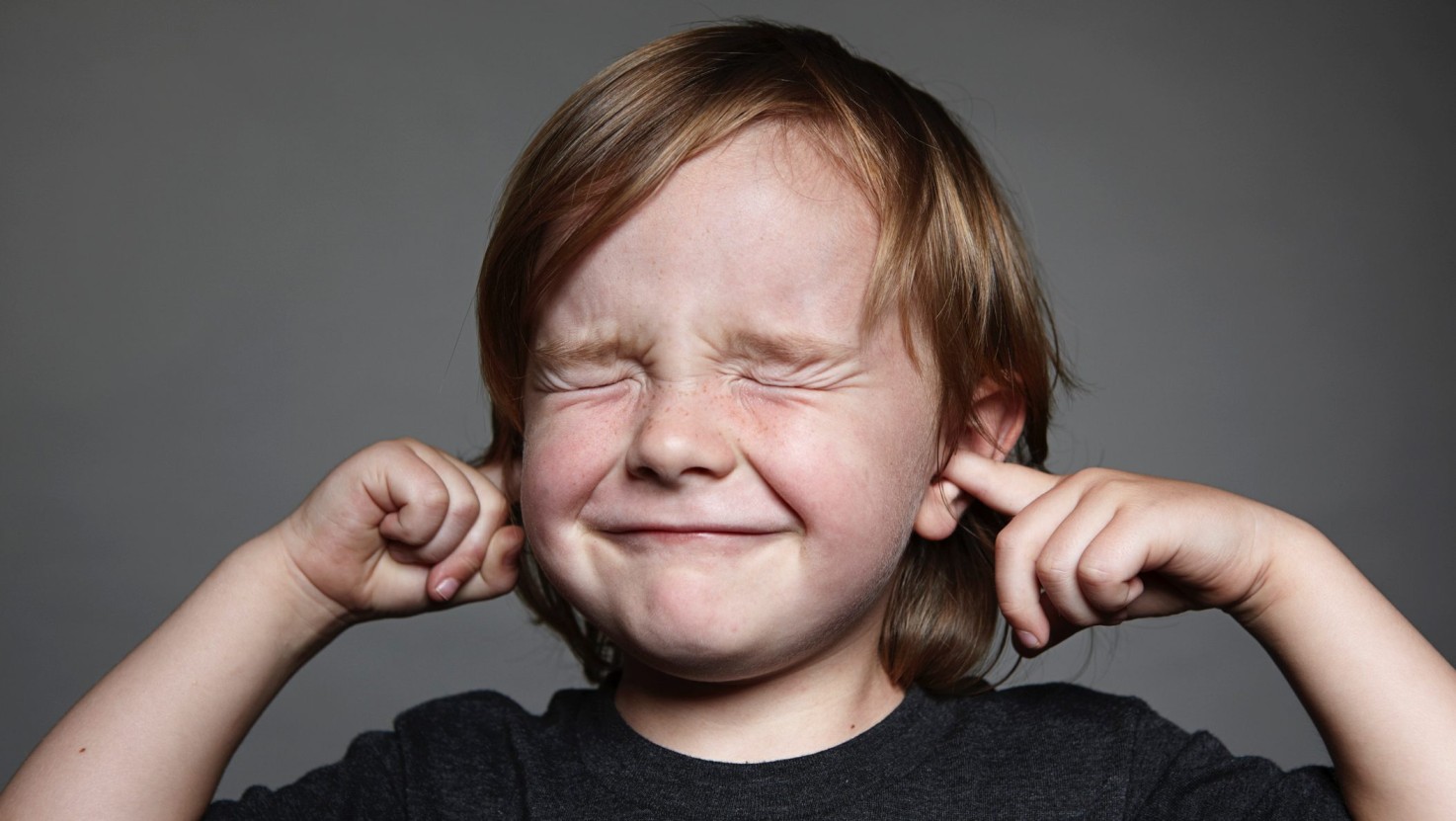
Sounds, smells, lights, clothing labels or food textures may be difficult to tolerate. A noisy room or uncomfortable clothing can consume a great deal of energy. Sensitivities differ from child to child and may also fluctuate with fatigue and the situation.
15
Reduced awareness of some sensory signals
A child may be less aware of cold, hunger or certain kinds of pain, or may find these signals hard to recognise. This does not mean they do not need food, protection from the cold or medical care. Heightened and reduced sensitivity can coexist for different sensations.
Movements, eye contact and play
16
Repetitive movements
Rocking, flapping the hands, moving the fingers or repeating certain movements may accompany excitement, concentration or stress. These movements can help a child regulate themselves. Being unusual does not mean they need to be stopped when they are safe and do not cause difficulties for the child.
17
A tendency towards literal understanding
Irony, implied meanings or figurative expressions can be confusing. When told to “wait two minutes”, a child may understand an exact duration. Strong language skills do not prevent these difficulties: they involve interpreting a message within its context.
18
Different patterns of eye contact
Looking someone in the eyes may interfere with concentration or feel uncomfortable. Eye contact may be brief, infrequent or, conversely, very sustained because a child is trying to follow a social rule. A child who makes eye contact can still be autistic; insisting on eye contact is not helpful.
19
A strong focus on details
A child may notice a small change, an error, a difference in how items are arranged or a detail others overlook. This precision can be a strength, but may also make it harder to see the overall picture. Attention to detail on its own is not specific to autism.
20
Less flexible shared imaginative play
A child may prefer playing alone, repeating a scene or following a precise script rather than negotiating pretend play with others. The difficulty may involve sharing and flexibility, rather than a lack of imagination: some children create very rich imaginary worlds.
A profile that can be easy to miss
A child may have good grades, sophisticated language, friends or good eye contact and still experience significant difficulties. Some learn to imitate expected behaviours. It is also important to consider the effort and fatigue this requires, particularly when difficulties go unnoticed at school.
Practical support in everyday life
Preparing for changes, making instructions explicit, respecting sensory needs and drawing on the child’s interests can make daily life easier. The aim is to understand their needs and help them participate while recognising their strengths.
When should you consider an assessment?
When these differences are persistent and affect relationships, school life, transitions or well-being, an assessment can help explore the possibility of ASD and other explanations. Screening provides initial guidance, not a diagnosis.
Information from parents, the child and the school, together with developmental history and clinical observation, helps place these signs in context.